


Beverage Merchandising Trends: What Brands Need To Know To Win At The Point Of Sale
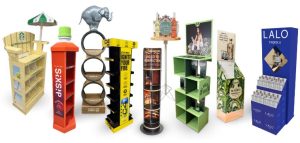
Retailers, brands, and shoppers expect a lot from display solutions, and those expectations are driving new and evolving in-store trends we’re seeing around the retail landscape. Understanding the commercial drivers of these trends, as well as retailer and shopper dynamics, is an important part of not just designing a stellar-looking display, but engineering a solution that will get sold-in, merchandised, and purchased from by target shoppers.
As retailers balance reduced inventory, ever-more-curated, clean store standards, and rising shopper expectations, beverage displays must capture attention, tell a story, and drive immediate purchase to curry consideration for retail planner space. Add to that the branding work that displays need to execute, and display expectations ratchet even higher.
According to NielsenIQ, the overall beverage category remains one of the most influential categories in both grocery and convenience, driving frequent trips, impulse purchases, and high margins. Meanwhile, the National Association of Convenience Stores reports that beverages are among the top contributors to in-store profitability, making how beverages are merchandised more important than ever.
For brands and retailers alike, the question isn’t whether to invest in merchandising, but how to do it effectively in today’s evolving environment.
“Our clients aren’t just asking for displays anymore. They’re asking for help understanding what’s actually happening at retail and how to translate that into smarter merchandising programs,” says Lauren Siedor, VP of Client Services at The MRL Group. “The brands that are winning right now are the ones building display strategies around how shoppers actually move through stores.”
Here are some of the beverage merchandising trends defining the current retail landscape, and what they mean for your beverage display strategies.
- Cold, Immediate-Consumption Displays Win the Moment
The tried-and-true industry adage still holds: Cold gets sold. Today’s beverage shopper, more often than not, is buying for right now.
Single-serve, cold, grab-and-go beverages continue to outperform larger multi-serve formats in many retail environments. As a result, retailers are expanding:
- Cold vault footprints
- Secondary coolers throughout the store
- Checkout refrigeration
These placements intercept shoppers at key decision points and dramatically increase impulse purchases. From a display perspective, this creates opportunities for:
- Branded cooler wraps
- Modular, cooler-adjacent displays
- Small-footprint floor displays designed to sit near refrigeration
- Clean Store Policies Are Raising the Bar for Display Design
Retailers today are actively reducing clutter and excess fixtures on the sales floor. This shift is driven by several factors:
- Labor efficiency
- Improved store aesthetics
- Easier cleaning and maintenance
- Better shopper experience
Many national retailers have implemented strict standards around display quality, durability, and footprint. For display design, this means: Less visual noise. More intentional impact.
Successful beverage displays today are:
- Cleaner in design
- More structurally efficient
- Easier to stock and maintain
- Built with premium-looking materials
- Functional and Energy Beverages Are Changing How Categories Are Merchandised
Energy drinks, functional beverages, and wellness-focused products are among the fastest-growing segments in retail. These products often require:
- Shopper education
- Brand storytelling
- Trial encouragement
All of which makes secondary displays essential. To meet these needs, and drive velocity, retailers are increasingly creating:
- Dedicated functional beverage zones
- Branded display sections
- Cross-merchandising with fitness, hydration, and health products
Within these contexts, displays that communicate benefits, usage occasions, and brand positioning outperform traditional product-only presentations.
- Sustainability Is Reshaping Beverage Display Materials
Sustainability is no longer optional; it’s an expectation. Retailers and brands are moving away from disposable plastic displays and toward:
- Recyclable corrugate
- Modular fixtures
- Reusable display systems
- FSC-certified materials
Beyond environmental impact, sustainable displays also signal brand values and quality, and should be a thoughtful part of a brand’s display strategy.
- Modularity and Flexibility Are Essential
Retail environments are changing faster than ever. Retailers are constantly resetting seasonal promotions and product assortments to meet both real-time occasions and rapidly evolving shopper preferences. This requires displays that can adapt. Modular displays allow brands to:
- Refresh messaging
- Change product mixes
- Reuse structural components
This flexibility improves ROI and increases retailer acceptance.
“One of the biggest things we’re hearing from clients is the need for flexibility,” says Siedor. “A display might need to scale up for a large retail environment and then adapt to a much smaller footprint somewhere else. Modular systems make that possible because the core toolkit stays the same while the execution flexes to fit the space.”
- Point-of-Sale Displays Are Becoming In-Store Media Channels
Retail displays are no longer just physical, in-store assets. They’re quickly becoming part of the broader retail media ecosystem.
Modern displays increasingly incorporate QR codes, embedded digital screens, and connected experiences. These features allow brands to:
- Extend engagement beyond shelf
- Share product stories
- Connect shoppers to digital content
This integration bridges physical and digital retail and continues to expand as retailers like Kroger and CVS test displays and endcaps embedded with screens to deliver dynamic media messages within the shopping environment.
- Occasion-Based Merchandising Drives Consumer Pull
This is not a new trend, but continues to be one of the most effective beverage merchandising strategies: use consumer consumption occasions to drive display activity.
The most powerful occasion-based displays answer the question Why does the shopper need this beverage right now? And answers that question, while seamlessly integrating into the shopping experience.
Some examples of occasions where beverage brands can show up effectively include:
- Summer hydration
- Tailgating / Game Day
- Grilling or BBQ season
- Holiday entertaining
- Gifting occasions
- Fitness and recovery
Occasion-based displays help shoppers quickly understand relevance and increase purchase intent. This approach also enables cross-category merchandising and seasonally relevant storytelling, and tends to integrate seamlessly into retailer programming calendars.
The Future of Beverage Merchandising: Higher-Impact Display Solutions
Perhaps the most important shift happening today is this: Retailers want fewer — but better — displays.
“Retailers are asking brands to do more with less space and fewer fixtures,” Siedor explains. “So every display has to work harder. It has to be visually strong, easy for stores to manage, and flexible enough to adapt as programs evolve. The most effective programs today are designed as systems, not one-off displays.”
Displays must now deliver:
- Strong visual impact with premium execution
- Operational efficiency and low labor impact
- Flexibility and sustainability
- Shopper-centricity and relevance
This is fundamentally changing how beverage merchandising works. Displays are no longer just fixtures. They are strategic tools. They shape shopper perception, influence decision-making, and ultimately drive sales.
As beverage retail continues to evolve, the most successful merchandising strategies will be the ones that invest in thoughtful, retail-aligned display solutions.
Let’s Build Displays That Win in Today’s Retail Environment
Today’s retail displays need to do more than look good; they need to earn their space. That means meeting retailer standards, capturing shopper attention in seconds, supporting operational realities, and delivering measurable results.
The MRL Group understands how to navigate these competing demands. We combine commercial expertise, structural innovation, and retail insight to create branded display solutions that perform, from concept to store floor.
Ready to create displays that retailers approve and shoppers can’t ignore?
Let’s Talk | Learn More About What We Do