


The Super Bowl and Beyond: How Seasonal Retail Moments Drive Gatekeeper Buy-In and Consumer Pull
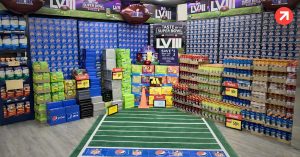
Holidays and seasonal moments aren’t just cultural events — they’re retail merchandising engines. For CPG brands, aligning programs with key occasions like the Super Bowl, Father’s Day, Fourth of July, and Halloween can dramatically improve gatekeeper acceptance, unlock premium display space, and influence shopper purchasing behavior at scale.
Brands that strategically lean into seasonal campaigns consistently outperform baseline activity, with industry benchmarks showing meaningful lifts in engagement and conversion during event-driven periods. But the real power of seasonal merchandising lies in the combination of driving both retailer demand and shopper behavior — a dramatic multiplier effect that requires both the right planning and the right merchandising solutions at the point of purchase.
Why Seasonal Retail Moments Matter
Retailers don’t treat major events as one-off promotions. They build entire merchandising calendars around them. From aisle resets to secondary display planning, seasonal periods shape store layouts, feature space allocations, and promotional focus months.
For CPG brands, that means seasonal relevance isn’t a “nice to have.” It’s often the difference between:
- Securing incremental display space
- Earning feature merchandising support
- Or being limited to shelf presence alone
And once your brand earns that placement, shopper psychology takes over.
What’s in It for Retailers?
Understanding retailer motivation is key to winning seasonal programs.
Retailers Plan Around Seasonal Demand
At large grocery, mass, club, and convenience retailers, display space and promotional windows are often pre-allocated months in advance to support major traffic-driving events. Programs that align with those windows are easier to approve because they support existing retailer priorities vs incremental, brand-driven asks.
Seasonal Programs Help Retailers Compete
Retailers use seasonal merchandising to create destination shopping moments. Think party solutions for the Super Bowl, grilling destinations for July 4th, or themed entertaining displays during the holidays. Brands that plug into these themes help retailers deliver a stronger in-store experience.
Event Timing Justifies Premium Floor Space
Endcaps, pallet displays, and floor space for large theater displays are finite resources. Retailers are more likely to allocate placements during periods of peak shopper traffic, when the ROI case is strongest. Seasonal timing makes premium space easier to justify in space planning discussions.
Bottom line: Seasonal alignment reduces friction in the sell-in process and increases the likelihood of expanding your brand’s in-store presence.
The Shopper Effect: Why Seasonal Displays Convert
Retailer alignment is only half the story. To get the full multiplier effect, you also have to consider the display impact on shopper behavior.
Seasonal Displays Trigger Impulse Purchases
Research from The Hershey Company shows that 88% of shoppers say seasonal displays make shopping more enjoyable and lead to unplanned purchases, which increases incremental basket building.
Displays Drive Measurable Sales Lift
Research analyzing grocery scanner data shows that prominent in-store displays can generate double-digit sales lift versus shelf-only presence, underscoring the revenue impact of secondary placement.
Seasonal Periods Increase Brand Switching
Holiday and event periods often disrupt routine shopping behavior. Shoppers are more open to trying new products when planning parties, gatherings, or themed occasions. That makes seasonal merchandising a powerful tool for driving trial and recruiting new buyers to your brand.
Seasonal Events Drive Category Demand Spikes
Syndicated retail data shows that major holidays and seasonal events produce significant category sales spikes across food, beverage, and entertaining categories, creating more demand for brands with strong in-store visibility.
When you combine increased shopper receptivity with premium display visibility, seasonal programs create a compounding effect that drives stronger performance than evergreen activity alone.
How CPG Brands Can Build Seasonality into Their Programs
Seasonal success doesn’t always require building new programs from scratch. Leading brands use flexible strategies that balance efficiency with impact.
Develop Dedicated Seasonal Toolkits
Create turnkey display programs built specifically for major retail moments (Super Bowl party solutions, summer grilling destinations, holiday entertaining kits). These are often easier for retailers to plug directly into their seasonal sets.
Add Seasonal “Wraps” to Evergreen Displays
Extend the life of existing display assets by designing seasonal overlays, graphics, or messaging elements that allow the same structure to flex across multiple retail moments.
Seasonal Merchandising Is a Growth Strategy (Not Just a Tactic)
When executed strategically, seasonal retail programs deliver value at every level:
- Retailers: Stronger store experience, larger baskets, event differentiation
- Brands: Increased display access, higher visibility, incremental sales lift
- Shoppers: Easier occasion-based shopping, inspiration, discovery
That alignment is what turns a simple themed display into a high-performing retail growth driver.
Let’s Build Your Seasonal Playbook
Whether you’re developing a fully custom seasonal retail toolkit or adapting existing programs to flex across key retail moments, MRL helps brands turn seasonal opportunities into measurable in-store impact.
Ready to start planning for your next retail moment?
Let’s Talk | Learn More About What We Do